다니자키 준이치로 지음, 고운기 옮김, “그늘에 대하여“(눌와 2012) — 일본의 소설가 다니자키 준이치로(谷崎潤一郞, 1886-1965)가 1933년에 펴낸 수필집. 원래 제목은 “음예예찬(陰翳禮讚)”
특히 이 책 가장 처음에 실린 “그늘에 대하여”는 1933년에 쓰인 글인데 일본 고유의 미의식에 관한 성찰이 무척 섬세하다. 일상의 다양한 경험 속에서 무의식 중에 스쳐 지나가는 감각의 패턴을 인식하고 음미할 수 있는 관점을 제공해 준다.
요약하자면 서양의 미는 대체로 밝고 번쩍번쩍 빛나는 걸 선호하는데 비해 일본의 미감은 어스름한 그늘을 기조로 형성되어 있다는 이야기인데 읽다보면 묘한 설득력이 있다. 말하자면 어떤 종류의 아름다움은 약간 어두운데서 음미해야 그 진가를 알 수 있다는 이야기다.
나는 밝은 쪽을 선호하지만 이 책을 통해 그늘 속에도 그 고유의 미감이 있음을 인식할 수 있게 되어 유익했다. 최근에 읽은 몇몇 일본책에서 이 책을 언급하는 걸로 보아 일본에서는 꽤 알아주는 책인 듯. 이 오래된 글이 매끄럽게 읽히도록 우리말로 적절하게 옮긴 한양대 문화콘텐츠학과 고운기 교수님의 역할 또한 중요했다고 생각한다. #추천
사토 가츠아키 지음, 양필성 옮김, 내가 미래를 앞서가는 이유 (스몰빅인사이트 2016). 원제는 “未來に先回りする思考法 (대략 옮기자면 ‘미래에 먼저 도착하는 사고법’)”.
제목만 보면 자기 잘났다는 이야기일 것 같은데 그런 건 아니고 기술 발전에 따른 사회의 변화를 조망하는 저자 나름대로의 폭넓은 관점을 깔끔하게 정리한 내용이다. 매우 흥미롭게 읽었다. 특히 피터 디아만디스의 “볼드(Bold)” 다음에 읽은 덕분에 내용이 묘하게 연결되어 더 재미있는 듯 싶다. #추천
저자 사토 가츠아키(佐藤航陽)는 1986년생이니 올해 만 30살. 20살 즈음에 와세다대 법학부에 입학 직후 벤쳐 회사를 시작하고 곧이어 학교를 자퇴하고 벤쳐 경영자의 길을 걸었다. 무엇보다 이제 30세에 불과한 젊은이가 이 책 내용과 같은 폭넓은 사고를 한다는 게 무척 인상적이었다.
“저는 쓸데없는 노력은 없다고 생각하지만 ‘보람이 없는 노력’은 존재한다고 생각합니다. 유감스럽게도 의미가 없는 것은 아무리 잘 되는 것 같아도 의미가 없는 것입니다. 모든 일은 타성에 의해 흘러갑니다. ‘어떻게 하면 지금의 방법을 효율화시킬 수 있을까?’라고 생각하기 이전에 ‘지금도 정말로 이것을 위해 힘쓸 가치가 있는가?’를 먼저 생각하는 버릇을 들이기를 권하고 싶습니다.”
— 사토 가츠아키 지음, 양필성 옮김, 내가 미래를 앞서가는 이유 (스몰빅인사이트 2016), pp198-199
디자인 관련 일을 하는 싱글맘 아래 삼남매 중 막내로 자람. 집안의 규칙은 “각자 뭘 하든 자유. 그러나 결과에 대해서는 스스로 책임을 진다”
넉넉하지 않은 집안에서 자라면서 15세 무렵부터 소규모로 장사를 하면서 돈을 벌음.
사회에 대한 불만과 회의가 많았던 저자는 세상을 바로잡고 싶다는 마음에 변호사나 정치가가 되기 위해 와세다대 법학부에 진학.
막상 대학에 들어가 보니 의외로 학생들은 사회 변혁에 대한 관심이 그다지 크지 않음에 실망하고, 자신이 세상을 바꾸려먼 “내부로부터의 변혁”은 어렵겠다고 판단, 기업경영이라는 수단을 통해 사회를 바꿔야겠다고 결심. 한 학기 마치고 곧바로 휴학.
그동안 모아놓은 돈은 150만엔 (약 1500만원). 소자본으로 시작할 수 있으면서 성장 가능성이 높은 IT 사업을 하기로 결정하고 3개월동안 독학으로 웹 사이트 구축 방법 및 간단한 프로그래밍을 배워 회사를 설립한 것이 2007년 9월.
이후 2년간 악전고투하며 웹 마케팅 등으로 매출을 수십억원 규모로 키웠으나 이 정도로는 세계를 바꾸기는 커녕 일본 사회도 바꿀 수 없다고 판단, 2010년 즈음에 웹 기반에서 모바일 기반으로 과감하게 전환하게 된다. 싱가폴에 회사를 세우는 것을 시작으로 8개국에 진출. 꾸준히 신규 투자 획득에 성공하여 오늘날에 이름
어스틴한인장로교회로 운전해서 가야하는데 마침 그 시간에 차 안에서 듣는 라디오 방송에서 특이한 인도 억양의 설교자가 엄청 빠른 속도로, 그것도 다른 곳에서는 들어보기 어려운 온갖 어려운 단어와 표현을 구사하며 설교를 하는 것이었다.
“세상에 별 희한한 설교도 있구나”하며 계속 듣다보니 묘한 끌림과 신선함을 느끼게 되었다. 결국 인도 출신이면서 캐나다 국적을 가진 변증가 Ravi Zacharias의 방송 설교는 매주 기다려지는 시간이 되었고 약 19년이 지난 요즘도 매주 한 차례, 일요일 새벽녘에 업데이트되는 그의 강연/설교를 팟캐스트로 듣는 것이 한 주간의 낙이다.
최근 한 책방에서 그의 자서전을 발견하여 읽는 중인데 그가 자라온 배경과 그가 설교에서 종종 이야기했던 자신의 경험과 관련된 일화들의 전후 사정을 좀 더 자세히 알게 되어 매우 유익하다. (표지는 살짝 아쉽지만.)
래비 재커라이어스 지음, 이지혜 옮김, “인도하심“(코리아닷컴 2008) 원제: Walking from East to West)
#추천]]>
아버지는 몽블랑 만년필을 좋아하셨다. 나도 직장 생활을 하면서 2000년 당시 $200 정도 하는 몽블랑 만년필을 구입해서 사용해 봤지만 그때는 별 느낌이 없었다. “만년필을 써서 좋구나” 라는 생각을 하게 된 것은 2005년 경 라미 만년필을 사용하면서부터다. 싱가폴에서 온 디자이너 Ken Sain Keat Chuang 으로부터 자기는 라미 만년필만 쓴다는 이야기를 들은 것이 계기가 되었다. 지금은 라미 AL-Star 와 파버카스텔의 기본 모델을 일상적으로 사용하고 있는데 모두 마음에 든다. 가격은 각각 4-5만원 내외로 몽블랑에 비해 훨씬 더 저렴하다. 잉크는 펠리칸 4001 시리즈의 로얄블루와 보라색을 주로 사용한다.
My father had always said highly of Montblanc fountain pens. So I bought myself one at around $200 after I got a job at Chemcross in the year 2000. But not much affinity was formed between me and the pen. It was only after I started using a Lamy around 2005 that I began to really enjoy using a fountain pen. Ken Sain Keat Chuang, a designer from Singapore, said he was using Lamy all the time, which piqued my interest in the brand. I am now using three pens on a daily basis, one Lamy Al-Star and two Faber Castells (Basic Metal and Loom Metallic). At around $40-50 each, these pens are quite affordable, that is, compared to Montblanc. My favorite ink is Pelikan 4001 (Royal Blue and Violet).
]]>
Anatomy of an Illness라는 책을 읽었다.
기자 출신인 저자는 과로 후에 면역력이 떨어져 꽤 심각한 난치병에 걸렸는데 답답한 병실에 누워 이유도 알 수 없는 빈번한 채혈 등에 지친 나머지 병원을 나와 호텔에 묵기로 했다. 그랬더니 비용도 상대적으로 적게 들고 훨씬 더 쾌적했다고 썼다. 난 그런 아이러니가 무척이나 인상 깊었다.
또 다른 어떤 글에서 캐나다의 어느 치질 전문 병원에 관한 이야기를 읽었는데 그 병원은 수술 후 회복 속도가 빠르기로 유명했다고 한다. 그 비결 중 하나는 입원 환자가 식사를 하려면 다른 층에 있는 식당까지 걸어가야만 먹을 수 있게 해 놓았기 때문이라고. (*Alberta에 위치한 Shouldice 병원 이야기임. 하버드 비즈니스 스쿨에서 이 병원 사례를 다루어서 유명해졌음.)
쾌적함과 건강을 디자인 하는 방법에도 여러 가지가 있다. 때로는 불편함을 참고 견디는 것이 어리석은 일일 수도 있고, 또 때로는 가만히 누워만 있는 편안함이 최선이 아닐 수도 있다.
이 더운 날씨에. 바람직한 시원함이란 과연 어떤 것일까? 10년 째 에어컨 없이 지내신다는 분도 계시는 한편, 밤새 에어컨을 틀고 자도 잠을 설치는 사람도 있다. 실내 적정 온도란 에너지 효율을 최적화하는 온도인가, 건강을 최적화하는 온도인가? 그저 에어컨이나 선풍기가 있으니 틀어놓는 것이 아니라 더 나은 대안과 사용 방법을 찾아내는 지혜가 우리에게 필요하다.]]>
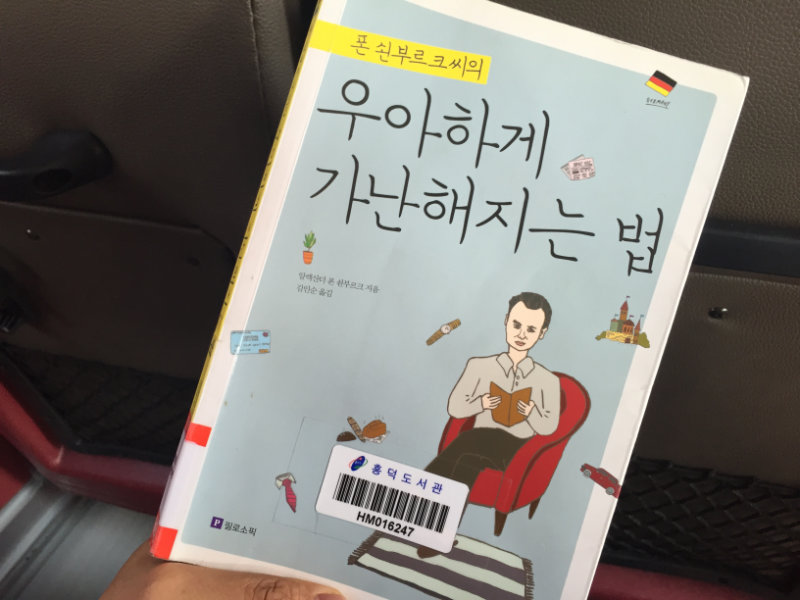
떠나는 이유“(앨리스 2014)를 읽다가 흥미로운 인용구를 통해 알게 된 책, 알렉산더 폰 쇤부르크 지음, 김인순 옮김, “폰 쇤부르크씨의 우아하게 가난해지는 법“(필로소픽 2013).
유서 깊은 귀족 가문 출신이면서, 유명 매체에서 기자로 활동하다가 경기 침체 여파로 직장을 잃고 자유기고가로 활동하게 된 저자는 동서양의 상류 문화를 가까이에서 관찰한 경험을 바탕으로 현대 소비 사회의 허점을 비꼬듯 파헤친다. 통찰력 깊으면서도 해학적인 조언이 책 곳곳에 등장하는데 무척 흥미롭다. 밥장이 자신의 책에 인용할만하다.
이 책에서 저자 폰 쇤부르크는 어설픈 부는 오히려 빈곤을 가져온다고 역설한다. 명품 패션 브랜드, 해외 여행, 고급 승용차 등과 같이 흔히들 동경하는 넉넉하고 풍성한 소비 대상은 오히려 품격있고 우아한 삶으로부터 멀어지게 만들 수 있음을 거듭 강조한다.
“그러므로 집에 들이는 돈이나 집이 위치한 동네가 아니라 손님들을 맞아들이는 자연스러움을 통해서 집은 아름다워진다. 친구들이 모여드는 집을 가진 사람은 부유하다. 그리고 가슴 답답한 비 오는 날에 찾아갈 수 있는 친구를 가진 사람도 부유하다. 그러나 보스의 고성능 음향 기기, 능동 매트릭스 화면의 대형 텔레비전, 콘런의 디자이너 가구는 사람들이 즐겨 찾는 장소를 만들어주지 못한다.”
— 알렉산더 폰 쇤부르크 지음, 김인순 옮김, “폰 쇤부르크씨의 우아하게 가난해지는 법“(필로소픽 2013), p87
읽다 보니 최근에 읽은 히라카와 가쓰미 지음, “소비를 그만두다“(더숲 2015)와 같은 주제, 즉 저성장 시대에 맞는 생활 양식이란 과연 어떤 것인가 하는 문제를 다룬다. 동일한 주제를 각각 독일인과 일본인의 관점에서 다루고 있다는 점이 흥미롭다. 또한 각각 독일어 원서(2005년 출간)와 일본어 원서(2014년 출간)가 우리 나라에는 번역되어 소개되어 있지만 영어로는 번역되지 않았다는 점에서 출판사와 옮긴이에게 고마움을 느낀다.
#추천]]>
그녀가 부른 “꽃밭에서”를 들으면서 “원래 이 곡은 이렇게 부르짖듯 목놓아 불러야 하는 곡이었나?”하는 의문이 생겼다. 소향은 무슨 노래를 불러도 자신의 표현력을 십분 발휘해 고음으로 힘있게 부르는 경향이 있긴 하지만 과연 이 노래에 그런 애절함이 본래부터 담겨 있던 것인가 하는 점이 궁금해진 것. 정훈희가 1970년대 초에 발표한 노래 “꽃밭에서”(이봉조 작곡, 이종택 작사)는 이렇게 시작한다.
꽃밭에 앉아서 꽃잎을 보네 고운빛은 어디에서 났을까 아름다운 꽃이여
제목도 동요 “꽃밭에서”와 같은 제목인데다가 부드러운 멜로디도 부르는 이의 순수한 마음을 나타내는 듯하다. 뿐만 아니라 노래 주인공이 이런 탐구심을 가지고 자연을 관찰하는 태도가 분자생물학자이자 저술가인 후쿠오카 신이치를 떠올리게 해서 나로서는 반갑기 그지 없다.
그러나 이어지는 가사에서 의외의 상황이 전개된다.
이렇게 좋은날에 이렇게 좋은날에 그님이 오신다면 얼마나 좋을까
아니 왜 자연을 관찰하다가 갑자기 “그님”이 등장하는 것인가? 이건 마치 페니실린을 발견한 세균학자 알렉산더 플레밍이 푸른 곰팡이가 핀 배양접시를 바라보다가 갑자기 저녁 식사로 뭘 먹을까로 생각이 비약하는 것 같은–물론 가상의 이야기다–엉뚱한 상황이 아닐까 싶다.
그러나 한편으로는 누군가를 그리워하는 연애 감정이 있다면 꽃잎을 보다가도, 하늘을 보다가도, 밥을 먹다가도, 뭘 하더라도 갑작스럽게 “그님”이 충분히 떠오를 수 있는 법.
그렇게 생각하다 문득 떠오른 노래는 현철의 “앉으나 서나 당신 생각”
https://youtu.be/7O8ZwjLF6-k
“앉으나 서나 당신생각 앉으나 서나 당신생각 떠오르는 당신모습 피할길이 없어라”
연애 감정이 한창 진행 중일 때는 이렇게 상대방에 대한 생각이 피할길 없이 떠오르기 마련인 거다. 그런데 이어지는 다음 가사가 의미심장하다.
가지말라고 애원했건만 못본체 떠나버린너 소리쳐 불러도 아무소용이 없어라
이 가사 내용으로 보건대 현철의 노래에서 말하는 바는 그저 일반적인 연애 감정에서 비롯된 애틋한 동경심이 아니라 이미 단절된 관계에 대한 애절하고도 한맺힌 그리움이었던 것. 즉, “피할길 없이 떠오르는 당신생각”은 희망과 가능성이 담긴 따뜻함이 아니라 패배감과 좌절감이 스며있는, 처절한 슬픔의 감정이다.
그러니 KDB대우증권에서 유머 넘치게 만든 광고에서 “앉으나 서나 당신 생각”을 차용해 고객을 향한 관심과 배려라는 메시지를 전달하려 한 것은 원곡의 의미와는 상당히 괴리가 있다.
그렇다면 다시 “꽃밭에서”가 노래하는 그리움의 감정은 이렇게 좋은 날 어쩌면 그님이 오실 수도 있다는 기대감을 내포한 그리움일까 아니면 그님이 오실 가능성은 전혀 없기에 꽃잎을 바라보며 아쉬운 마음을 표현하는 것일까? 그것이 어느 쪽인지는 본래의 의도가 어떠하든 부르는 이의 마음에 달려있다라고 매듭지으면 되지 않을까 싶다.
참고로 조수미가 부른 “꽃밭에서”(2015 앨범 그.리.다. 수록)의 후렴구는 비교적 잔잔하게 불리워진다.
* 참고 : 노래 “꽃밭에서”의 가사는 조선시대 선비 언보(彦甫) 최한경(崔漢卿)의 책 반중일기(泮中日記)에 수록된 한시 화원(花園)을 번역한 것이라는 상당히 그럴싸한 이야기가 인터넷에 나돌고 있고 최인호의 시집 “꽃밭”에도 그 이야기가 적혀 있다 한다. 그러나 그 출처가 되는 원전 반중일기(泮中日記)의 존재 자체가 불확실하다는 문제가 있다고 정재철 님이 EBS 장학퀴즈 자유게시판에 올린 글에서 지적하고 있다. 온라인 상에 여기 저기 실려 있는 해당 한시도 서로 일치하지 않는다. 그러나 누군가 이 노래에 맞추기 위해 고어적 표현을 동원한 한시를 지어내 그럴싸한 이야기를 각색해 냈다고 보기에도 무리가 있다. 만약 최한경이란 조선 시대의 인물이 이 시를 지었다는 것이 진실이라고 한다면 이를 입증해 줄 원전을 찾을 수 없음은 안타까운 일이다. “꽃밭에서”의 작사자로 알려진 이종택 님이 뭔가 단서를 제공해 줄 수 있다면 좋을 텐데.
어지간해서는 아무도 생각하지 않을 것 같은 의외의 주제를 사뭇 진지한 태도로 다루면서도 약간은 능청스러운 말투로 주절주절 풀어내는 재주를 가진 일본 작가 우치다 타츠루. 나는 그의 책을 좋아해서 번역되는 족족 읽고 있는데 최근에 읽은 책은 “사악한 것을 물리치는 법” (김경원 옮김, 북뱅. 2016년 6월 20일 초판 발행)
이 책은 저자가 다양한 매체에 가볍게 기고한 글을 모아 편집한 것 같은데, 그래서 그런지 한 가지 주제를 철저하게 파고 들어 뚜렷한 결론을 내기 보다는 특정 주제에 대한 화두를 던지면서, 그 문제에 대한 자신의 관점은 이러저러하다는 식으로 언급하고서는 끝내버리는 식이라서 살짝 아쉬운 점은 있지만 그의 독특한 통찰과 문제 제기만으로도 흥미진진하다. 한번 읽고 말기에는 아까운 책.
특히 pp289-296에서 친밀권이라는 개념과 가족이라는 것의 차이를 비교하면서, 친밀권이란 강자의 논리임을 날카롭게 지적하는 대목이 무척 인상 깊다. 인류의 존재 양식에서 대등함이란 예외적인 사회적 조건이기에 대등함을 전제로 한 ‘친밀권’이란 관계는 지속적이기 어렵다는 점을 환기시켜주었고 가족을 대하는 마음 자세를 반성하게 해 주었다. 추천.
 유서 깊은 귀족 가문 출신이면서, 유명 매체에서 기자로 활동하다가 경기 침체 여파로 직장을 잃고 자유기고가로 활동하게 된 저자는 동서양의 상류 문화를 가까이에서 관찰한 경험을 바탕으로 현대 소비 사회의 허점을 비꼬듯 파헤친다. 통찰력 깊으면서도 해학적인 조언이 책 곳곳에 등장하는데 무척 흥미롭다. 밥장이 자신의 책에 인용할만하다.
이 책에서 저자 폰 쇤부르크는 어설픈 부는 오히려 빈곤을 가져온다고 역설한다. 명품 패션 브랜드, 해외 여행, 고급 승용차 등과 같이 흔히들 동경하는 넉넉하고 풍성한 소비 대상은 오히려 품격있고 우아한 삶으로부터 멀어지게 만들 수 있음을 거듭 강조한다.
유서 깊은 귀족 가문 출신이면서, 유명 매체에서 기자로 활동하다가 경기 침체 여파로 직장을 잃고 자유기고가로 활동하게 된 저자는 동서양의 상류 문화를 가까이에서 관찰한 경험을 바탕으로 현대 소비 사회의 허점을 비꼬듯 파헤친다. 통찰력 깊으면서도 해학적인 조언이 책 곳곳에 등장하는데 무척 흥미롭다. 밥장이 자신의 책에 인용할만하다.
이 책에서 저자 폰 쇤부르크는 어설픈 부는 오히려 빈곤을 가져온다고 역설한다. 명품 패션 브랜드, 해외 여행, 고급 승용차 등과 같이 흔히들 동경하는 넉넉하고 풍성한 소비 대상은 오히려 품격있고 우아한 삶으로부터 멀어지게 만들 수 있음을 거듭 강조한다.